
Summary
From 11 to 13, CHINACOAT 2026 China International Coatings Exhibition was held in Guangzhou. ⭐ Guangzhou Feisi Synthetic Materials welcomed more than 80+ client groups at booth 6.1C36, with international visitors from over 6+ countries. This report skips the usual pleasantries and focuses on two key takeaways from the event: which products drew the most inquiries, what concerns engineers actually raised—and our real-time responses.
Exhibition Information
CHINACOAT 2026 China International Coatings Expo | 2026.11.11–13 | Guangzhou | Booth 6.1C36 Featured Products: FS7350 / FS7360R Silicon Steel Self-Adhesive Coating, Waterborne Epoxy Insulating Varnish, Waterborne Phenoxy Resin/Emulsion, Amorphous Strip Composite Adhesive, and Polysulfide Series
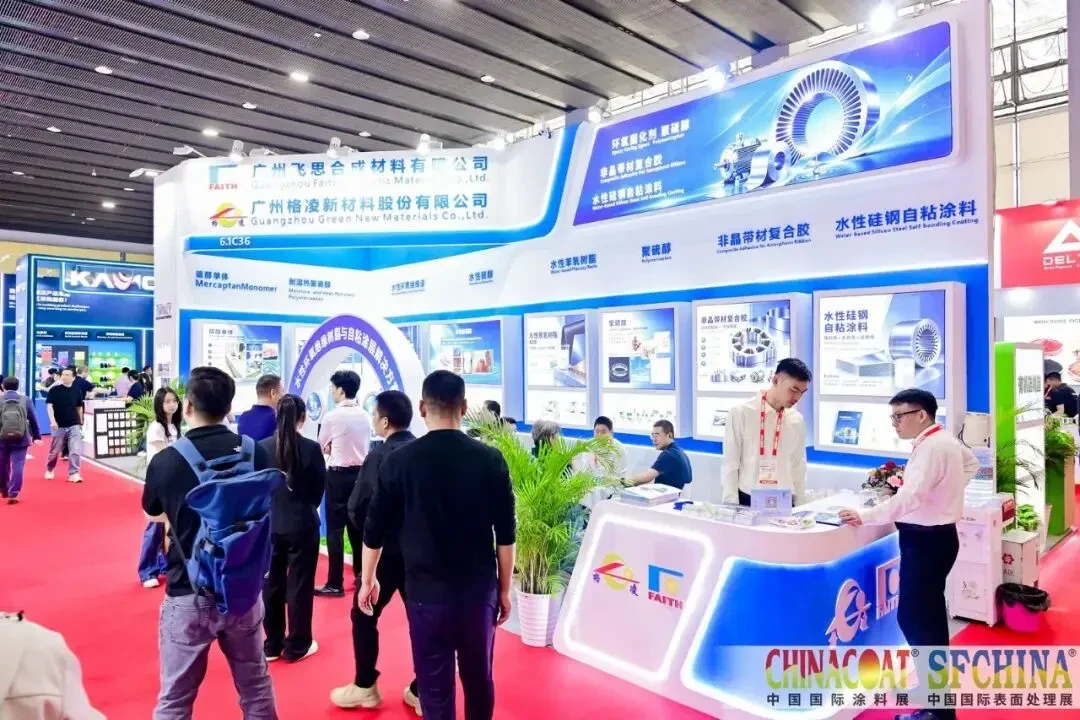 Customer explored the integrated solution for mercaptan products and amorphous strip composite adhesive at 6.1C36.
CHINACOAT 2026 (11.11–13, Guangzhou) has concluded. Over three days, we welcomed approximately... at booth 6.1C36.80+ additional groupsCustomers, including overseas clients from6+ countries(Mexico, Pakistan, Turkey, Vietnam, South Korea & Japan, Russia, and other regions). The most surprising finding: the highest inquiry volume was for our flagship silicon steel self-adhesive coating, amorphous strip composite adhesive, and waterborne insulation varnish, along with waterborne phenoxy emulsions and polysulfide series. Engineers' questions were highly concentrated on two aspects: application scenarios and formula blending. This aligns perfectly with this year's dual demand from downstream customers for "waterborne transformation + domestic substitution." This article documents on-site observations and provides authentic answers to the 8 most frequently asked questions.
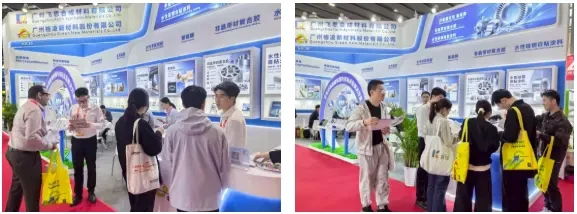
The customer learned about the mercapto monomer products and amorphous ribbon composite adhesive solutions at 6.1C36.
New product lineup debuts, directly addressing key industry upgrade pain points.
At this exhibition, we are primarily showcasingFS7350/FS7360R Silicon Steel Self-Adhesive Coating, Waterborne Epoxy Insulating Varnish, Waterborne Phenoxy Resin/Emulsion, Amorphous Alloy Composite Adhesive, and Mercaptan CompoundsAll core product series are developed for applications such as new energy motors, power transformers, reactors, and amorphous alloy cores.
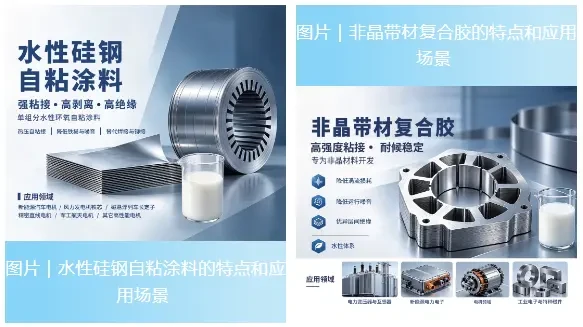
Image | Features and Application Scenarios of Water-Based Silicon Steel Self-Adhesive Coating
Images | Characteristics and Application Scenarios of Amorphous Strip Composite Adhesives
Under the tightening "Dual Carbon" policies and environmental regulations, low-VOC, solvent-free, and water-based insulation materials are now essential. Simultaneously, downstream customers demand higher performance in bond strength, thermal resistance, electrical reliability, production yield, and stability for domestic substitution.
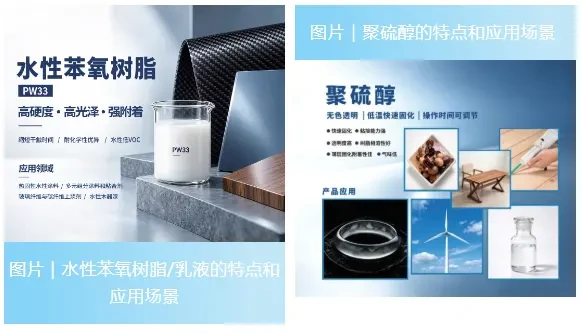
Images | Characteristics and Application Scenarios of Waterborne Phenoxy Resins/Emulsions
Images | Characteristics and Application Scenarios of Thiol-Polymers
Frees' product portfolio is built around two core pillars: using water as a dispersant to reduce VOC emissions while maintaining electrical and mechanical performance, and supporting mainstream processes such as automated coating, dip coating, and roll coating.
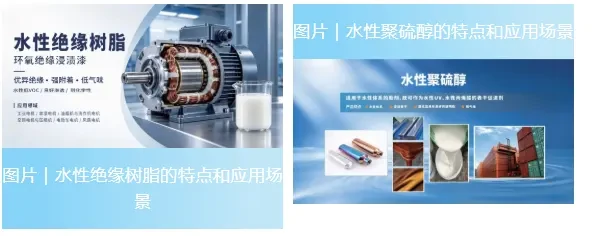
Image | Features and Application Scenarios of Waterborne Insulating Resins
Image: Characteristics and Application Scenarios of Waterborne Polysulfides
Visitors pause at the sample display area to closely examine the film formation, compare sample differences, and proactively inquire about product suitability for operating conditions.Approximately 90% of customers inquire about our water-based phenoxy emulsions and thiol series products.Inquiries about FS7360R high-temperature silicon steel self-adhesive coating and amorphous tape composite adhesive have also prompted customers to ask technical questions, such as application areas and process parameters.
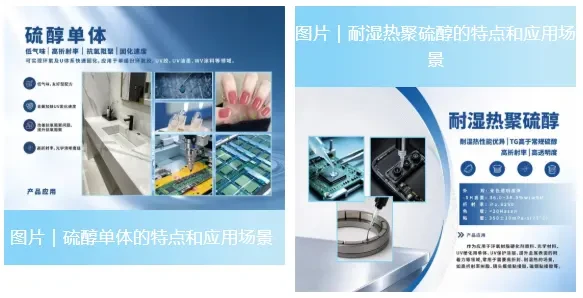
Image | Characteristics and Application Scenarios of Thiol Monomers
Image | Characteristics and Application Scenarios of Heat- and Humidity-Resistant Polysulfides
Booth Insights: Three Types of Customers, Three Key Questions
Customers who visited 6.1C36 over the past three days fall into roughly three categories and ask completely different questions:
Overseas clientsWe focus on three key areas: performance metrics, lead time, and export documentation. On-site, we presented product standards, sample procedures, and our TDS/SDS documentation package.
A buyer from a Southeast Asian transformer manufacturer specifically inquired about the consistency of export batches for mercaptan monomers.
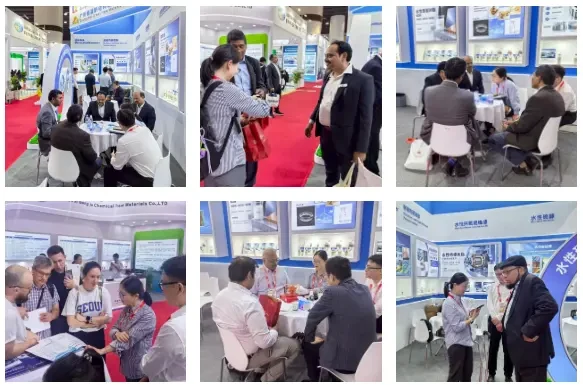
Overseas visitors explored integrated solutions for mercaptans and water-based phenoxy emulsions at Booth 6.1C36.
Existing Customer:Skip parameter discussions and dive straight into new product iteration and field feedback. Focus on specific scenarios such as curing, profiling, penetration, and peel testing—for example, "fine-tuning the curing curve for a transformer client." These exchanges are most valuable, as they directly inform adjustments to next-generation formulations.
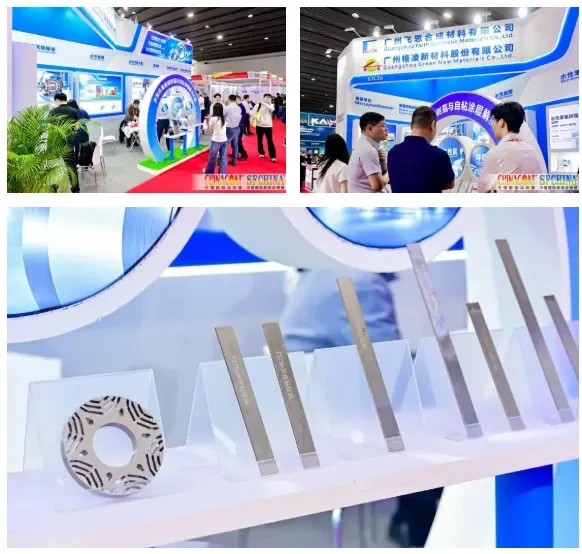
Customers learned about water-based silicon steel self-adhesive coatings and amorphous strip composite adhesive solutions at booth 6.1C36.
R&D and Process Engineers for Motor, Transformer, and Core Manufacturing Enterprises:Clients come with specific operating conditions. They rarely ask "What do you have?" Instead, they ask: "Will this work for my substrate, coating method, and curing profile?" Our technical engineers address these inquiries on-site by analyzing multiple dimensions: substrate type, application method, cure cycle, humidity-heat resistance, vibration/noise control, and long-term aging stability. We clearly highlight our strengths while defining the boundaries of compatibility.
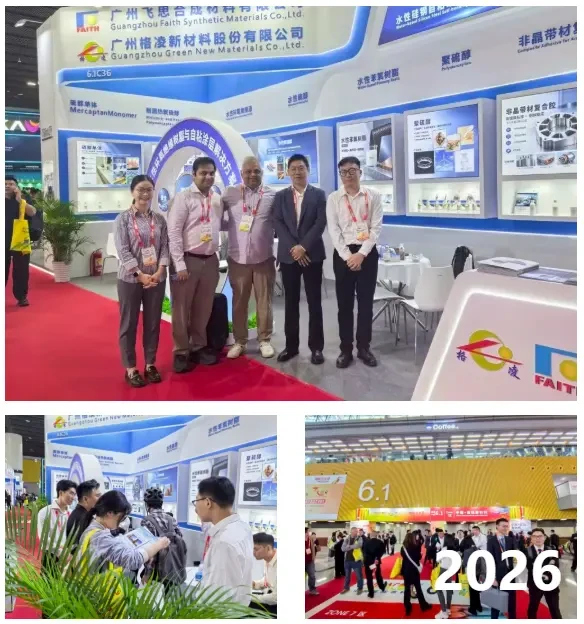
FromFrom initial requirement discussions and prototype plan confirmation to exploring long-term partnership models, high-density, high-quality technical exchanges ran throughout the entire exhibition. 50+ customer groups expressed their prototype needs and reached preliminary cooperation agreements immediately after communication. This recognition is the best validation of Guangzhou Feisi's technical accumulation and product stability.
Showcasing our deep-rooted expertise in the industry through the exhibition.
Speaking at this international industry expo right in our backyard serves as a key window for Guangzhou Feis to showcase its strength to the global supply chain. For years, Guangzhou Feis has continued...Focus on niche segmentsDon't blindly expand into new tracks; stay focused.Specializing in water-based high-performance electrical insulation materialsCommitted to delivering high-quality materials for silicon steel and amorphous alloy systems. Through our participation in the Guangzhou exhibition, we aim to bring domestic and international supply chain partners closer to Feisi—helping them discover and understand our solutions firsthand.We're more than a materials supplier; we're your technical partner for collaborative R&D and solving insulation bonding challenges.Face-to-face interactions allowed participants to truly experience Feisi's reliable product delivery, rigorous technical approach, and flexible customization capabilities. They also helped bring our long-standing strategic focus to the attention of more industry peers.
Every great event has its finale, but innovation and industry connections never stop. We sincerely thank all our new and existing customers and industry partners who traveled far to visit our booth at 6.1C36. Thank you to friends from home and abroad for coming to Guangzhou with your trust, questions, and valuable feedback.
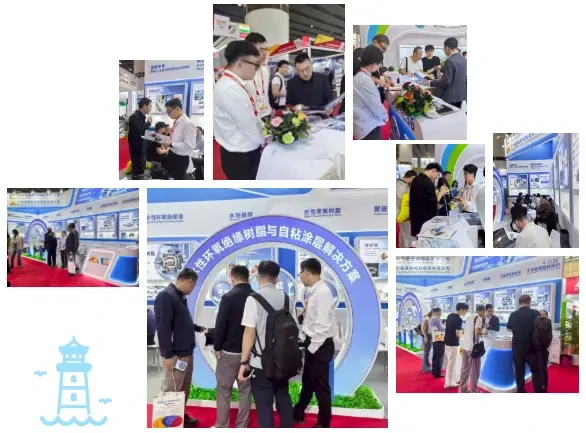
Visitors from domestic and international markets stopped by Booth 6.1C36 to view applications and solutions for products including polysulfides, waterborne thiols, humidity- and heat-resistant thiols, and thiol monomers, as well as waterborne insulating varnishes, amorphous tape composite adhesives, and silicon steel self-adhesive coatings.
Frequently Asked Questions (FAQ)
Q1: What are the key differences between FS7350 and FS7360R silicon steel self-adhesive coatings, and how should I choose?
A: FS7350 is a universal balanced silicon steel self-adhesive coating offering an optimal balance of bond strength, flexibility, and storage stability. It is ideal for bonding silicon steel laminations in standard power-frequency transformers and reactors, delivering exceptional value for high-volume, stable production. FS7360R is engineered for high-temperature resistance, superior adhesion, and anti-thermal aging, providing enhanced thermal stability to withstand continuous temperature rises in high-frequency motor applications. It is best suited for demanding environments such as new energy drive motors and high-frequency reactors. Customers can select based on operating temperature requirements, application conditions, and lamination processes. We offer free sample testing for comparison.
Q2: Do waterborne insulation varnishes exhibit reduced electrical performance or storage stability compared to traditional solvent-based varnishes?
This is the most common concern in water-based upgrades. Our waterborne epoxy electrical insulation varnish has passed extensive lab testing and multiple production batch validations, meeting industry standards for core performance metrics including dielectric strength, volume resistivity, humidity and heat resistance, and adhesion. The formula features a specialized dispersion-stabilization system to prevent resin settling or layer separation, ensuring a shelf life of 3 months at ambient temperature. With low VOC emissions, it complies with environmental regulations and enables seamless transition to water-based production lines, serving as a direct drop-in replacement for traditional solvent-based insulation systems.
Q3: What customer pain points does the amorphous strip composite adhesive address? Does it require modifications to existing baking lines?
Amorphous alloy cores are brittle and generate high vibration noise. Their interlaminar insulation, bonding, and noise reduction require a composite adhesive with three key functions: after film formation, it must be tough enough to buffer vibrations and reduce core noise while providing interlaminar insulation. It offers a wide curing window compatible with industry-standard baking processes, allowing most customers to use existing production lines without major parameter adjustments, keeping retrofit costs under control.
Q4: How are water-based phenoxy resins typically applied in insulation systems? Can they be blended with other water-based resins?
A: Waterborne phenoxy resin offers excellent substrate adhesion, film-forming ability, and toughness. It is commonly used as a film-forming base or toughening agent in waterborne insulation varnishes and adhesive systems to reduce film brittleness and enhance adhesion to metal substrates. It exhibits good compatibility with waterborne epoxy and acrylic systems and can be customized to meet specific customer formulations. Samples are available for formulation evaluation upon request.
Q5: How long does the sample application process take? Do you provide supporting documentation for international orders?
A: Standard samples are typically shipped within 3 business days of receiving your request. International customers may also receive supporting documents such as TDS and SDS concurrently. For custom requirements—including special substrates, ultra-high temperature resistance, chemical corrosion resistance, or specialized coating processes—our technical team will first conduct a feasibility assessment. Upon approval, we will adjust the formulation accordingly, develop custom prototypes, and monitor testing feedback.
Q6: When using water-based self-adhesive silicon steel paint for the first time, what key points should be noted in the coating process?
Compared to solvent-based systems, waterborne coatings require careful control of environmental temperature and humidity; avoid excessive humidity. Pay attention to coating thickness, pre-baking, and the stepped curing temperature profile to prevent pinholes, bubbles, and sagging. We will provide a reference process guide with your samples, and our technical team can offer remote support for process adjustments during trial production.
Q7: How is the pot life of a thiol-curing system controlled? Will it gel quickly after mixing?
A: Pot life is strongly influenced by thiol equivalent, accelerator type, dosage, and ambient temperature. The system remains stable without an accelerator; adding a tertiary amine accelerator triggers rapid reaction. We can tailor the formulation to meet your process requirements, ensuring controlled pot life that accommodates various application methods such as brushing, dipping, and rolling.
Q8: What is the curing mechanism of a thiol system, and what is its key difference compared to amine hardeners?Thiol-based systems cure via nucleophilic addition between thiol groups (-SH) and epoxy groups, enabling rapid curing at low or ambient temperatures. In contrast, most amine hardeners require elevated temperatures to accelerate curing and typically offer shorter pot lives. Key advantages of the thiol system include low-temperature cure capability, insensitivity to moisture, and low cure stress. Limitations involve lower maximum service temperatures and different weathering performance compared to amine systems, making them better suited for electrical insulation, bonding, and encapsulation applications.
The exhibition has concluded, but technical coordination and sample trial channels remain open.
⭐ Guangzhou Feisi will continue to focus on the niche of water-based specialty electrical insulation materials, specifically silicon steel and amorphous alloy systems, by ensuring product stability and delivering robust supporting services.
Water-based self-adhesive silicon steel coating / Water-based epoxy insulation varnish
Look for the Guangzhou Feisi brand.
UnderstoodFaithAll products!
Official Helpline:020-82793066
Advanced Insulation Materials Division:Engineer Liu 15920494556
Thiol Polythiol Division:Engineer Zhang 13609004936
Overseas Hotline (Mob):
+86 15920494556